


Corporate car rental in Paris
Pick-up location
Pick-up location
SORT
Corporate Cars Available to Rent in Paris
Showing 1-3 of 3 cars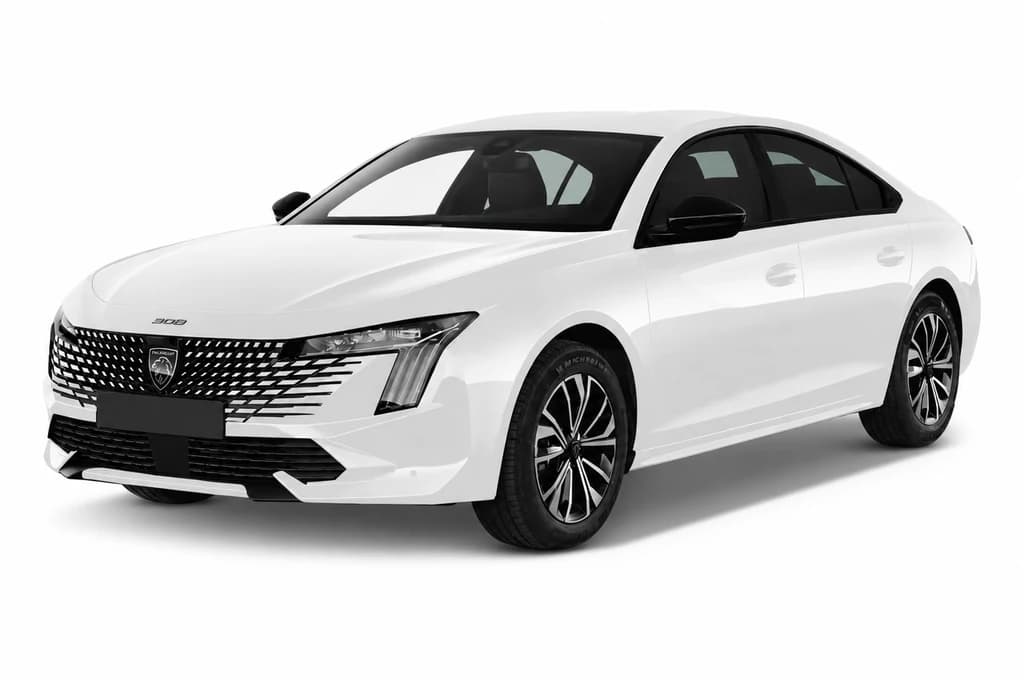

The expense report is where corporate car rental in Paris usually falls apart: five employees, five desks, five deposits frozen on five personal credit cards, and an accounting inbox full of mismatched invoices. We set up gorentcar business accounts to end exactly that, with negotiated rates, centralised billing and no deposit blocked on anyone's card, company or personal. Cars are delivered to your office, to a work site or to the airport an employee lands at. What follows is how we handle the three situations Paris companies actually bring us.
The client-meeting car
When the car is part of the impression, the sedan range covers three budgets honestly. The Volkswagen Passat Variant at 106 € a day and the Peugeot 508 at 110 € are the discreet workhorses for consultants and site visits. The BMW 520d at 150 € and the Mercedes C 180 at 158 € carry a client-facing week without shouting about it. When the passenger is the CEO or the client themselves, the Mercedes E 200 at 226 € is the right call, and the Hyundai Ioniq 6 at 118 € has become the quiet favourite of companies with CSRD reporting to think about: electric, comfortable on the A86, and it reads well in the sustainability annex.
Our advice, since you're not paying us for diplomacy: most business rentals overshoot. The Passat does 90 percent of what the E 200 does in corporate life, and nobody has ever lost a contract over it.
The operational fleet
The other half of corporate demand is not glamorous, and the fleet reflects it. The Renault Kangoo Van at 82 € a day handles deliveries and technician rounds inside the périphérique. The Trafic Cargo at 114 € and the Iveco Daily at 142 € scale up for equipment moves and fit-out work. For moving people instead of boxes, the nine-seat Renault Trafic at 126 € shuttles a project team between sites in one run, on a normal B licence.
Because every vehicle carries a Crit'Air 1 or 2 sticker, the ZFE rules in force around Paris in mid-2026 don't complicate the routing. Your teams drive where the work is.
When rental replaces the company car
Between a three-day mission and a leased fleet sits a widening middle ground: the six-month project, the new hire on probation, the branch testing whether it needs a vehicle at all. Committing to a lease for those is how companies end up paying for parked cars. Our answer is long-term rental running from one to twelve months on the business account, with the same billing line and none of the leasing paperwork, penalties or residual-value questions.
For the account itself: rates are negotiated on your actual volume, invoicing is centralised so finance sees one supplier instead of fifty receipts, and drivers are added to contracts with a licence, an ID and no card of their own required. Write to us with your typical month and we'll price it properly rather than quoting a brochure.
FAQ — Common Questions Answered.
How does centralised billing work for a business account?
Your rentals run through one account with consolidated invoicing to your finance team, instead of individual receipts paid on employees' personal cards. Nobody in your company has a deposit frozen, because we don't take deposits at all. That combination is usually what saves the most internal time: expense claims for car rental simply stop existing as a category.
Can several employees drive the same rental car?
Yes, additional drivers are added to the contract, and each one needs to be at least 21 with a licence held for a year and an ID presented at handover. Under-25s on the contract carry the young driver surcharge, which is shown when they're added. For rotating teams, tell us how the vehicle will be used and we'll structure the contract so the right names are on it from the start.
Do you deliver cars to our office or a work site?
Yes, delivery is part of the service: office, site, depot or the arrivals hall at CDG or Orly for a landing employee. Collection works the same way at the end. For recurring needs, standing arrangements beat one-off bookings. A van that appears at the depot every Monday at seven requires one email to set up, not fifty-two.
How are corporate rates negotiated?
On volume and predictability, not on the size of your logo. A company renting a van every week gets a different price from one needing two sedans a quarter, and both get it in writing before anything is booked. Send us a realistic picture of your monthly usage and you'll get a rate card back. If your volume grows, the card gets revisited.
Is there a minimum company size or rental volume?
No. A freelancer who invoices clients for site visits qualifies for a business account just as a fifty-person firm does. What changes with volume is the depth of the negotiated rate, not access to the account structure, the billing or the delivery service. If you rent more than twice a year for work, the account already pays for itself in admin time.